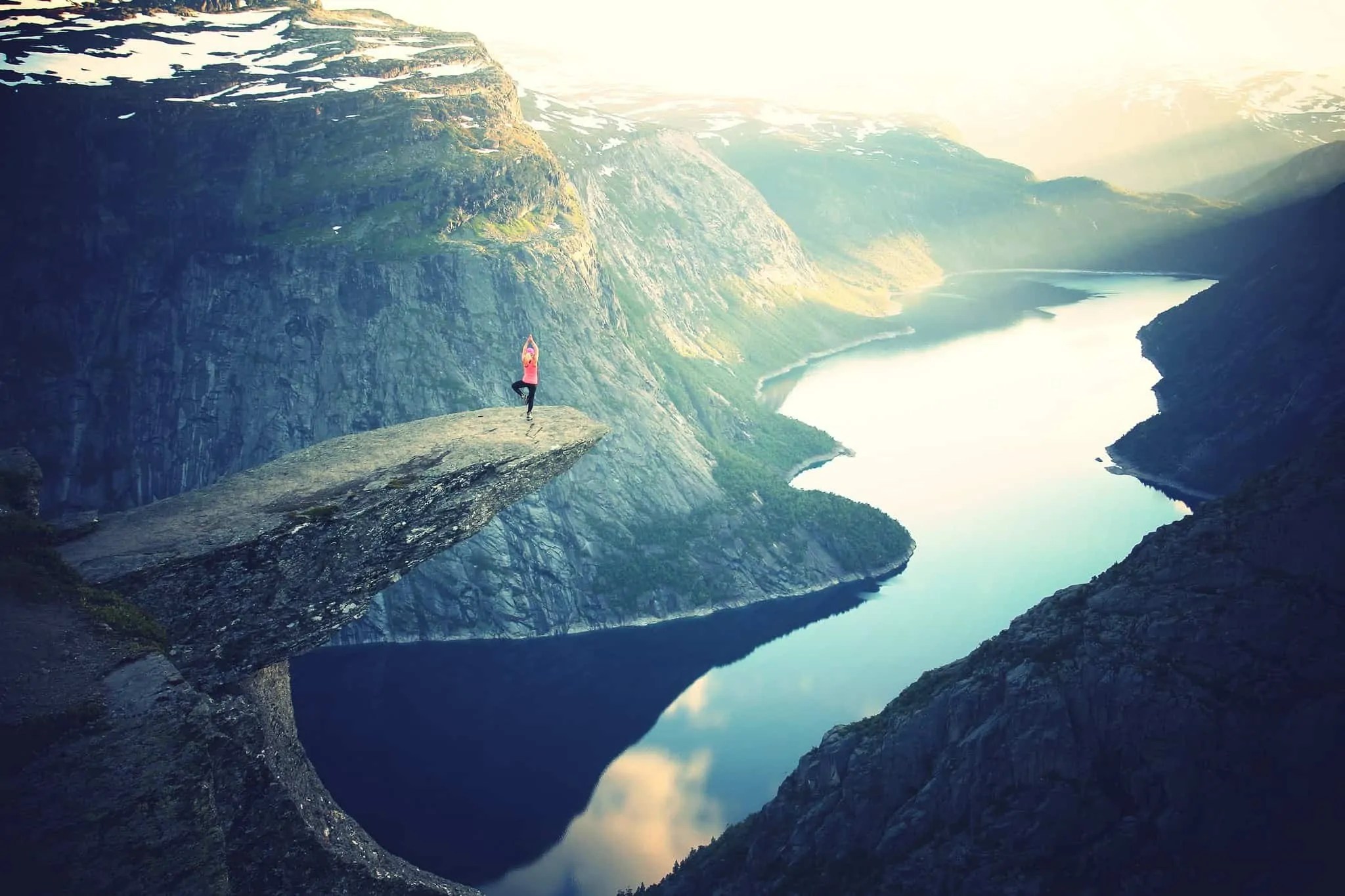
Staying stand up paddle board ready in the off season can be a challenge. Even if you live in a relatively mild climate like Austin TX getting out on a SUP in anything less than 70 degrees gives me goose bumps. So while I’m waiting for things to warm up again I’ve put together a list of 5 things I do to stay SUP fit in the off season:
1) Yoga. My calendar says I do yoga 3 times a week but it’s more like 1-2 times. Yoga helps me stay limber and keeps my muscle memory intact.
2) INDO Board. I use an Indo Board or similar balance board to keep my balance and auxiliary muscles awake.
3) Crunches, squats and lunges. Yep, crunches are great for working out those core muscles. Squats and lunges are excellent for toning your legs and gluttes. If you’re not a fan of these bootcamp exercises, the next tip is for you.
4) Pilates. In my opinion if you choose only one thing from this list it should be Pilates. Nothing does a better job at keeping all your core and auxiliary muscles in shape. Sorry yoga.
5) Sculling. I haven’t tried it but my sister swears that it’s an excellent all around leg and upper body workout that you can enjoy on the water even in the winter. Brrrr!
So get out there and have fun! I’ll be right there with you counting down the days until I can hop back on my Sup again and go for a paddle. If you’ve enjoyed this post or have other exercises you’re personally familiar with or would like to recommend please leave us a note in the comments below.
Marine foraging sounds just like what it it. Foraging, or searching, for wild foods that are found in marine environments. There is nothing new to marine foraging in and of itself, after all, what’s more primitive than catching a fish with a spear? Or digging for clams in the sand? There is something inherently primal about being in such close contact with ones food, of searching it out by smell or color, seeing the environment in which it lives, gathering it up and making the journey back to a fire where we transform that experience into a meal.
I remember being a very small child, maybe three or four years old, when I ate wild limpets that my father had pried off a rock. The briny taste of the salt water contrasted with the sweet and slightly chewy consistency of the peach colored meat. This was on Isola D’Elba off the eastern coast of Italy just below the South of France. I will never forget that experience of wild elation at the knowledge that I could find food attached to a forlorn rock in the middle of the sea. It was nothing short of magic. I felt as though I was truly a creature of the sea
In recent years foraging has received a lot of press. With the slow food and farm to table movement on the rise in urban areas across the counrty, interest in wild edibles and bushcraft has naturally increased. Famous chefs such as Eddy Leroux and professional forager Tama Matsuoka Wong have helped introduce foraged ingredients into American culinary circles. Though it may sound the province of Austin hipsters or weathered survivalists, foraging is actually quite simple. Not to mention, it is an activity that is equally appealing to folks of all ages. And marine foraging, being a water seeker and self proclaimed mermaid wanna be, is my personal favorite. So what will you need to get started?
WHERE: Depending on what coastline or ocean you intend to begin your marine foraging adventures on and what you will be gathering, you probably need a fishing license. These are readily available at your local outdoors supply store and sometimes even gas stations or angling outfitters will have liscences for sale. If not, check with your State Parks & Wildlife Department. They will have all the information you need to get ahold of the appropriate license for your area.
WHAT: Field Guides: You’ll also want to consider picking up a book on local edibles book either from your public library or online. I highly recommend the following books, ” The Edible Seashore” by Rick Harbo and “Pacific Seaweeds” by Louis Druehl to get started. There are also some excellent free resources online. Here are a few links.
Gear:Land based seaside foraging requires very little in terms of equipment. A good pair of non slip water shoes like Chacos come in handy. Also, you’ll want a bucket or net of some sort to carry your finds as well as a good quality pocket knife for prying mollusks off rocks or cutting edible seaweeds at their base. Gloves are handy too, though I prefer to use my bare hands. If you intend to any submerged foraging you’ll want the appropriate gear for your undertaking. For free diving, please completed a course of certification before you begin and always dive with an equally certified buddy. If you’re snorkeling and don’t plan on diving to any great depths then the usual snorkel, mask and fins is all you’ll need. Maybe a wetsuit if you’re in colder waters.
WHEN: A tide chart for your area can be found on Tides Online, a government site with regional daily tidal charts. http://tidesonline.noaa.gov/geographic.html
So, are you ready to get started marine foraging? I know I am! Let me know what your thoughts are in the comments below and please share any great finds you end up eating.
What kind of SUPing will you be doing? There are as many different types of SUP boards out there as there are people SUPing. You’ll want to ask yourself what type of paddle boarding do you enjoy most. It’s ok if you’re not 100% sure whether or not you plan on spending most of your time paddling on a lake or in the ocean. There are SUPs that are good for both types but you’ll want to narrow it down as best you can. Are you planning on using your SUP to do yoga? If so, it will be important to choose a wider more stable board. Do you live in the mountains where there are lakes & rivers that you’ll want to paddle on? These are good questions to start asking yourself when identifying which type of SUPing you think you’ll be doing most of the time. Here is a list of the 5 most common types of SUP Boards on the market.
All-Arounder: These boards are my personal favorite beginner. Why? They are more stable and less tippy due to their width and length. They are also one of the most versatile type of paddle boards, so much so that they are referred to as all around paddle boards. This is because they can just as easily be used paddling on lakes as outside the surf zone in the ocean. The typical length for this type of board is 11’-14’ feet.
Yoga: Yoga SUPs are particularly wide and long. These two features makes them extremely stable, especially important if you’re trying to do a downward dog or headstand! They also usually feature a soft grippy top, much like a traditional yoga mat. These boards have additional built in hooks for attaching SUP yoga accessories like anchors (which you’ll definitely want to keep your board from drifting all over the place), safety equipment and a place to leash your paddle. Typical length is 10’-12’ feet.
Inflatable: Inflatables, or iSUPS have come a long way in recent years, growing in popularity because of their ease of storage and transportation. One popular use of inflatable SUPs is on rivers because of their PCV construction which makes them nearly indestructible. These boards are designed to give against rocks just like a white water raft thus allowing them to bounce off obstacles you might encounter in a flowing river.
Surf: As their name suggests surf SUPs are designed specifically for surfing on waves. They are much lighter and shorter than other SUPs. Because of their lighter weight and narrower profile they can easily turn and have quick maneuverability in the waves. They are also much tippier so I wouldn’t recommend a surf SUP for beginners unless you already know how to surf or plan on surfing on your paddle board the majority of the time. Length 7’-10.5’
Racing: Racing boards are long and narrow with a sharp nose and long fin on the underside. They are by far the tippiest of all SUPs and so these wouldn’t be my go to recommendation for a beginner board. These boards are long with lengths from 12.6’-14’ feet.
2. Price: If your like me, price is definitely a consideration when beginning a new sport I may not be 100% certain I will still be crazy about in 3 years. Having said that I think SUPing is here to stay. One of my favorite things about it is how easily accessible it is to people of all skill levels. In a way it’s kind of like bike riding, almost anyone can ride a bike. Though I risk sounding preachy I think part of the reason SUPIng is so popular is that it has democratized surfing. So SUP your heart out and now, back to price. In SUPing, as in all things, you get what you pay for. But that doesn’t mean necessarily breaking the bank. Here’s a few strategies I have used to find affordable quality boards in my area.
End of Season Sales: Off season or close out sales, typically start in September or October depending on which part of the country you live in. These sales are a great way to pick up a new board at 30-50% off retail price. Additionally, many popular SUP companies extend their discounts to their websites with incentives like free shipping which, given the standard size of a paddle board, can save you loads of money! One of my favorite SUP boards are made by ISLE. These guys are based in San Diego and make great quality boards. Maybe I’m biased because it was on their Phantom Diamond Tail surf SUP that I had my life changing magical encounter with the wild dolphin, but I promise you ISLE hasn’t paid me a single sent to say good things about their company. 🙂
Craigslist: We all know Craigslist. It’s a great resource so why not check it out to see if you can score a used board at an affordable price? Of course please be sure to do some research before hand so you know what size and type of board your looking for. Next, if you do find a board on Craigslist, be sure to Google any reviews of the brand and what it typically retails for before handing over your cash.
Rentals: Often times local SUP rental companies are refreshing their inventory and retiring older SUPs. If’s you’re ok with a board that has a little more character (read wear & tear) but is still fully functional, this might be a good way to go. I’ve seen retired SUPs from quality national manufacturers go for as little as $400 at local rental companies.
3. Storage: This is important. Where are you going to store your board in the off season? Do you have a garage that’s big enough to accommodate a 12’-14’ paddle board? Don’t make the mistake of brining home a board with no place to store it. Trust me, a little planning and foresight can save you a lot of grief. If you don’t have a garage or storage unit you can use for storage, we don’t, consider these options.
Ceiling Mount: There are some pretty cool ceiling mount solutions out there that allow you to suspend your paddle board close to the ceiling, neatly and out of the way. Here’s a couple of links to get you started. DIY SUP Ceiling Storage How-To. If you’re not a DIYer check out Store Your Board for a variety of pre made options.
Wall Mount: I personally love this option because you can mount your SUP to a prominent wall in your home and suddenly you have wall art!
Inflatable SUPs: None of these options work for you? That’s o.k., you can still get your own inflatable iSUP which collapses down into a very manageable size that can be easily stored in a hall closet in the off season. iSUP
I hope this post was useful to you and you feel confidant in the essentials of choosing your very own first SUP. Feel free to leave a comment below with any additional questions. Keep Seeking, keep SUPing!
Want to learn more? Check out these great posts below for even more in depth SUPing info.
On a recent car camping family vacation on Mustang Island Texas, yes there are beaches in Texas, my family and I got to paddle board with wild dolphins. I have to admit this experience is one of those highlight moments in life, one I’ll likely never forget. The best part was it was a total surprise. We had no idea we would be seeing dolphins that morning, much less paddling with them a mere 4 feet from our SUPs. Best experience ever. Since then my husband and I have become obsessed with getting a board and having a repeat experience. OK maybe I’m more obsessed then he is but if you’ve ever had this experience you will know, it’s a life changer. The water was perfect;y clear that morning, no red sea weed blooms cluttering the edge of the beach, no murky visibility or tar globs washed ashore. Just a clean stretch of sand and crystal clear water unlike any I had ever seen in the gulf coast before.The clarity of the water added to the magic. You could literally see 15 feet down onto the sandy bottom. Apparently October is the time to go to the beach in Texas because of the way the currents run in the gulf that time of year all the usual muck from the oil industry and industrial shipping lots gets moved out to sea more quickly. Great for visiting, still bad for the environment. Anyways, the encounter with the smiling dolphin led me to have two very important realizations. One, that we are through and through water lovers. Water makes us happy, it lifts our spirits, washes away the blues and inspires us. The second insight was that I didn’t want to live a life where I wasn’t in the water, fresh or salty, the majority of the time. I wanted our daughter to grow up knowing the ocean and swimming in natural pools fed by fresh water springs. That’s pretty much how this blog got started. As a way for us to share our love of the water and our favorite water sports with other kindred spirits. Enjoy, and Keep Seeking! Alina
1778 Captain James Cook arrived in Hawaii and saw local Hawaiians surfing. This was the first recorded time in history that a European saw surfing. Traditional Hawaiian boards were anywhere from 6.5-16.5 feet long. It’s been noted that some Hawaiian’s surfing on longer boards, usually Chieftains, would use a wooden paddle to assist them in getting out to the open sea and past the breaking waves.
1940 The term “Beach Boy Surfing” enters Waikiki’s local lingo and defines surfers and surf instructors who stand up on their surf boards for increased visibility and use a paddle for added support.
1955 John Zapotocky aka “Pearl Diver” learns paddle boarding from Duke Kahanamoku and Pops AhChoy. He becomes one of the first pioneers of modern stand up paddle boarding. A Hawaiian legend, he caught waves at Waikiki beach till he passed at age 95 in 2013.
2001 Laird Hamilton, a legendary American big wave surfer, orders his first custom SUP paddle from Malama Chun, a re-known Hawaiian paddle maker.
2002 Sept. 11, Laird Hamilton stand up paddles at First Point Malibu with a paddle topped with American Flag. This historical moment marks the ushering in of modern day SUP-ing into mainstream media.
2003 “Beach Boy Surfing” is added to the roster of Buffalo Big Board Contest by Brian Keaulana.
2005 Clark Foam closes it’s doors and board shapers are forced to switch to EPS polystyrene foam and epoxy resin. Suddenly boards are 10 lbs. lighter and much stronger than before.
2007 First SUP race held on the continental United States is kicked off at the North Shore of Lake Tahoe California. Ta-Hoe Nalu Paddle Festival is born.
2008 The US Coast Guard classifies SUP boards as vessels. Paddle boarders are now required to wear life jackets when outside the surf zone just like kayaks and canoes.
2008 Charlie McArthur stages first ever river SUP-ing event in Vail Colorado.
2008 Chuck Patterson wins the Inaugural Battle of the Paddle held at Doheny State Park, California.
2009 SUP-ing is recognized as the fastest growing paddle sport in North America.